A Valle d'Itria Itinerary: 4 Days Among the Trulli
How to Get to the Valle d'Itria
You can get to the Valle d'Itria by flying to Puglia via Bari Karol Wojtyła Airport (BRI) or Brindisi Airport (BDS), both of which offer seamless access to the valley. Read our full guide on travelling to and around Puglia for more detail.
Getting Around the Valle d'Itria
Hiring a car is an excellent way to explore this corner of Puglia. This itinerary will transport you from the highest of hilltops to the gorgeous coast, so we recommend:
- Car hire: Covers the whole route, from Alberobello and the valley's wine towns out to the Adriatic.
- Local guides and tours: Worth arranging for Alberobello specifically, where a guide can enrich your itinerary with memorable experiences like farm visits and a cheese sampling.
- Boat charters: The most memorable way to end an evening on the coast, dropping anchor off Polignano for the honey-hued sunset.

Your Valle d'Itria Itinerary at a Glance
- Day 1: Alberobello and Castellana Caves
- Day 2: Locorotondo, Martina Franca and the Wine Road
- Day 3: Cisternino, Ostuni and Torre Guaceto
- Day 4: The Adriatic Coast
Day 1: Alberobello and Castellana Caves
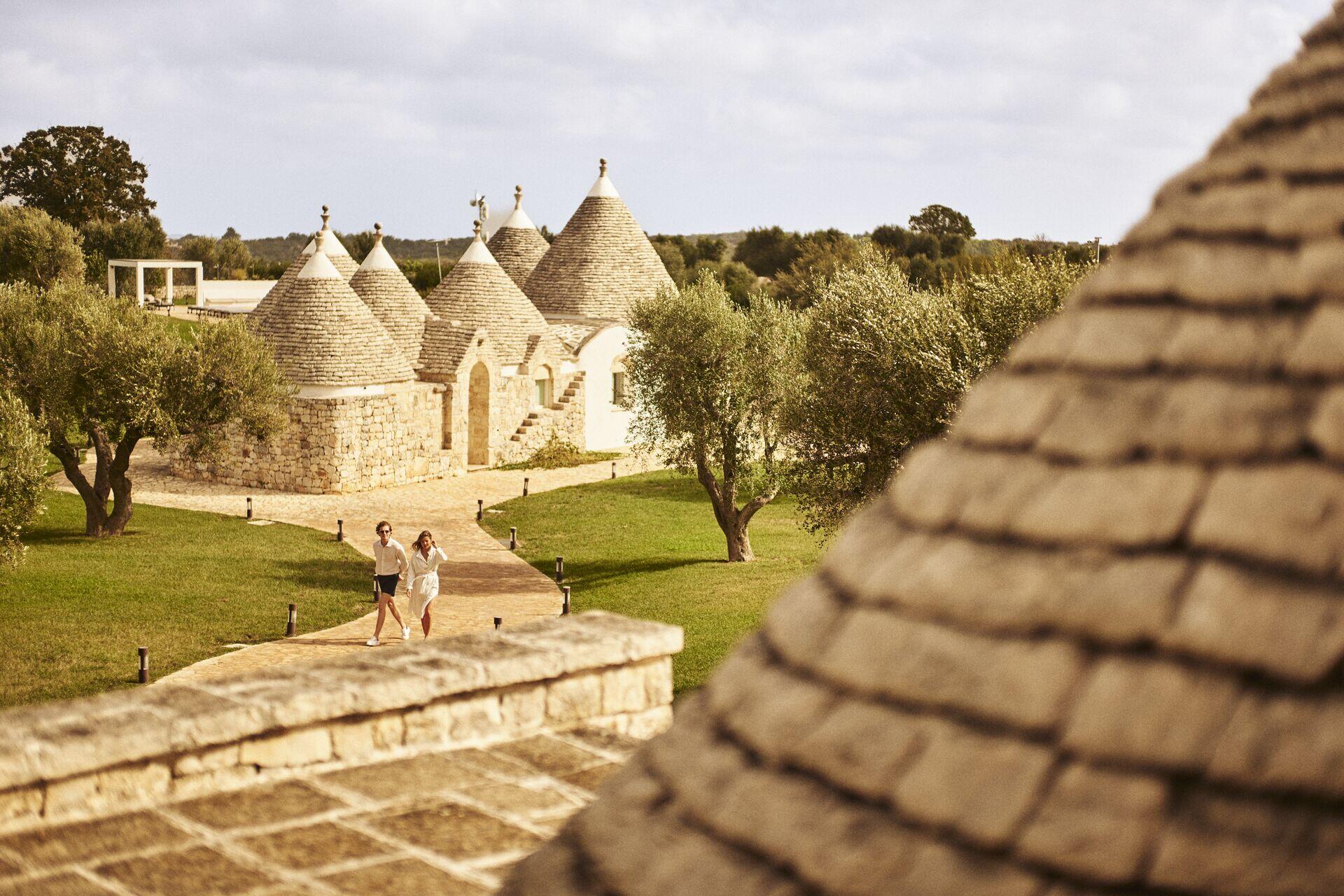
Start where most people's idea of Puglia begins: Alberobello, a UNESCO World Heritage Site since 1996 and the most concentrated example of trulli architecture in the region. It can get busy in the summer months, so an early morning stroll amongst the trulli of the Aia Piccola and Rione Monti areas is recommended. Arguably the most impressive example is Trullo Sovrano. A guide can turn this into more than a walk, building in a visit to a nearby farm to taste, and learn to make, some of the area's specialty cheeses.
In the afternoon, head just north of Alberobello to the Grotte di Castellana, a 3km cave system extending 70 metres underground. As you follow the subterranean path through the cathedralesque caves, you’ll see an awe-inspiring array of colourful fossils, stalactites and stalagmites. All in all, an excellent day out for the whole family, especially if the weather’s not so good or you wish to have a break from the summer heat.
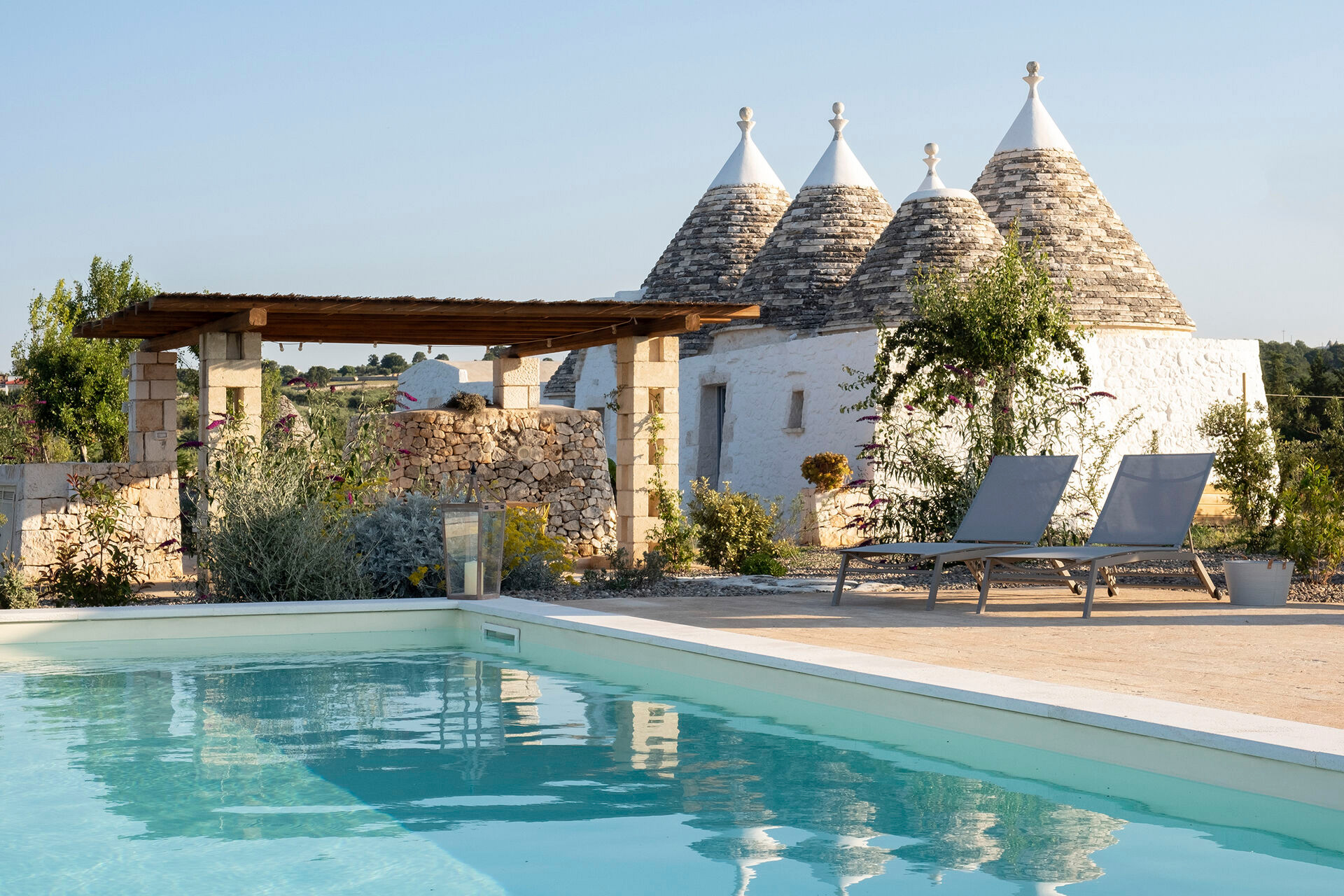
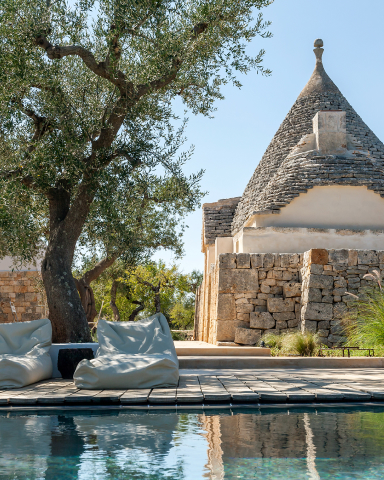
OttoConi
Martina Franca, Puglia
6 Guests
3 Bedrooms
3 Bathrooms
- Immaculate restoration
- Authentic trullo living
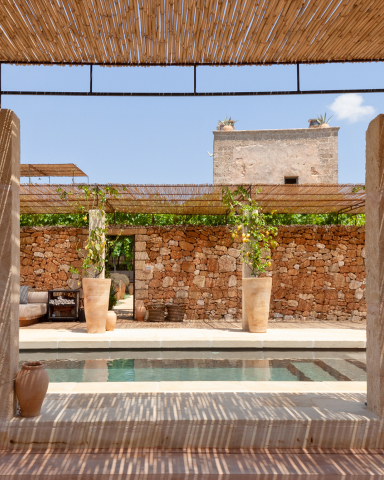
- Inviting pool
- Panoramic gardens
- Tranquil rural setting
Day 2: Locorotondo, Martina Franca and the Wine Road
The Valle d'Itria boasts its own ‘wine road’, running between Locorotondo and Martina Franca. The former, which perches atop its very own hill, is yet another of those picture-perfect
towns that the Valle d’Itria excels in. After spending a little time exploring its achingly beautiful streets and admiring the wonderful views, we recommend you head down to one of the terraced vineyards below to taste Locorotondo’s renowned white wine, arguably the best in Puglia. We
know the best places, so just say the word and we’ll organise a tour and a tasting for you.
Martina Franca, the valley's largest town and unofficial capital, undoubtedly deserves the rest of the day.Dating back to the 14th century, it is known for the magnificence of the baroque architecture that populates its elegant historical centre. Amble through its weave of streets, sip on a coffee in one of its pretty piazze, see the frescoes of Palazzo Ducale, admire the exquisite artistry of the Basilica of San Martino, and sample the town’s gastronomic speciality: capocollo, a mouthwatering cured meat.
For dinner, consider one of the valley's fortified masserie. Many of these impressive residences are still the beating hearts of working farms producing wine, olive oil, fruit, vegetables and cheeses. Others have been transformed into luxury boutique hotels and holiday villas (we have the cream of the crop). Dono, at Masseria Garrappa near Monopoli, is worth the drive for an evening that feels rooted in the land it's serving from.
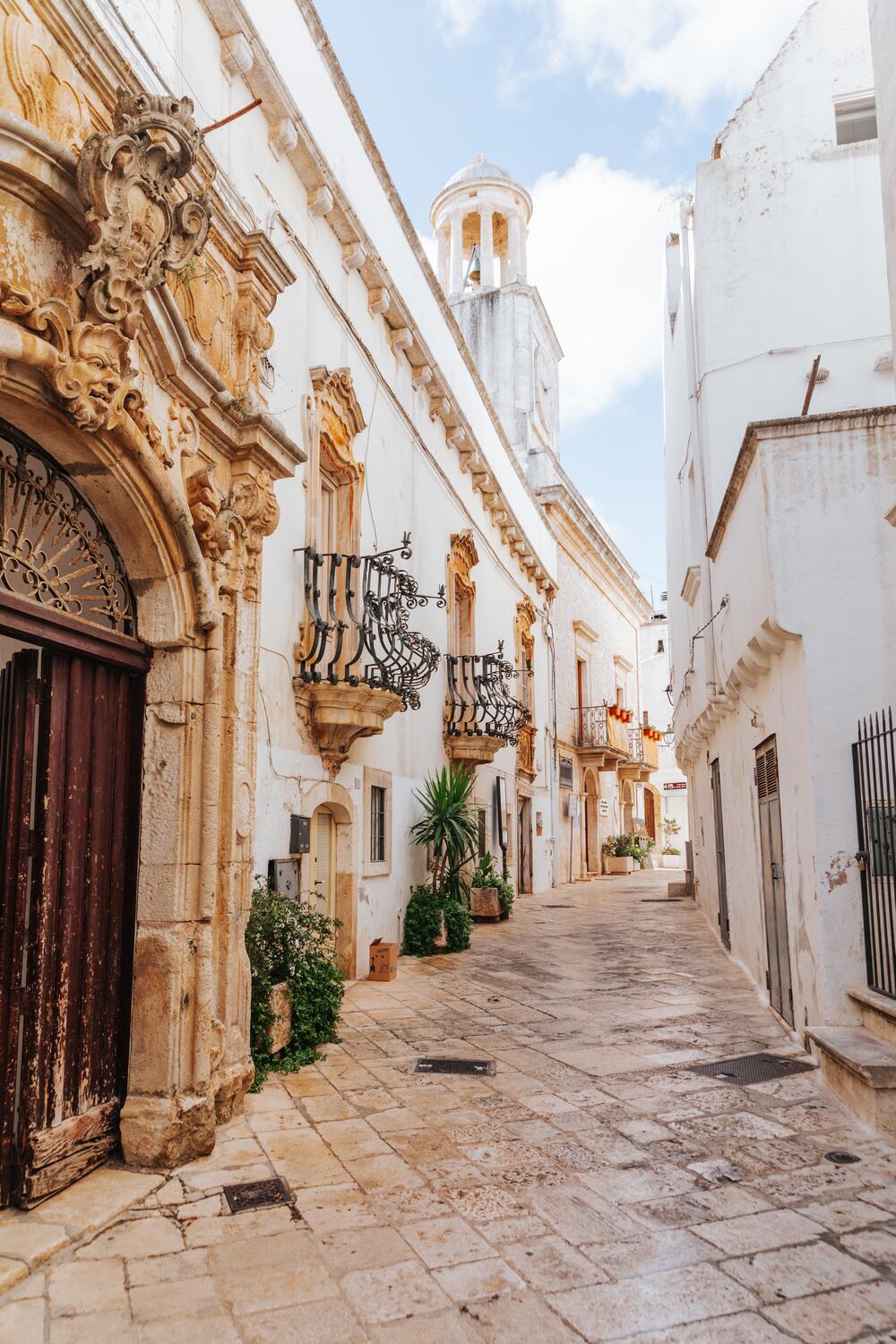
Day 3: Cisternino, Ostuni and Torre Guaceto
This is a heartier day than the previous two, so it's worth deciding in advance how much ground to cover. Cisternino, one of Italy's officially recognised most beautiful small towns, opens the day well: y. Its old centre is a pleasure to stroll around and there are a series of panoramic
viewpoints from which you can admire the rolling hills, the dry stone walls and the trulli of the surrounding countryside. For a truly authentic taste of Puglia, head to one of the barbecuing butchers’ shops (fornelli pronti): order bombette (little meat parcels filled with ham and cheese) and a bottle of wine and take a seat outside while the butcher barbecues your dinner. Just be sure to get a table by 8pm, because the fornelli pronti are popular, especially in the summer.
Head eastwards to find Ostuni, or the "White City". The oldest part of the town occupies a hill, from the top of which, near the splendid romanesque cathedral, fabulous views pan out, taking in the coastline and the sparkling blue waters of the Adriatic. A labyrinth of narrow streets weaves around the hillside, with bars, cafés and restaurants spilling out onto pavements and piazze. The atmosphere, especially in summer, is buzzing, convivial and laid-back. Small independent shops and boutiques make it a great place for shopping, while sea lovers won’t be disappointed by the Blue Flag beaches down below. Ostuni is also famous for its olive oil production, and we’d be delighted to arrange an olive oil tour with tasting for you in one of the nearby masserie.
A short drive from Ostuni sits Torre Guaceto; a protected nature reserve with 6km of untouched coastline, ancient olive groves and woodland trails, and a small train connecting its beaches for anyone travelling with children. Given the ground already covered, this may suit trading either Cisternino or Ostuni's afternoon for time here, rather than attempting all three in full.

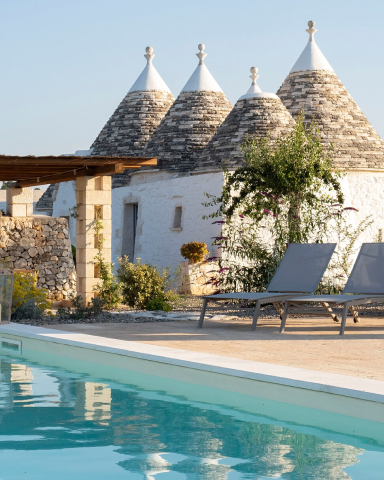
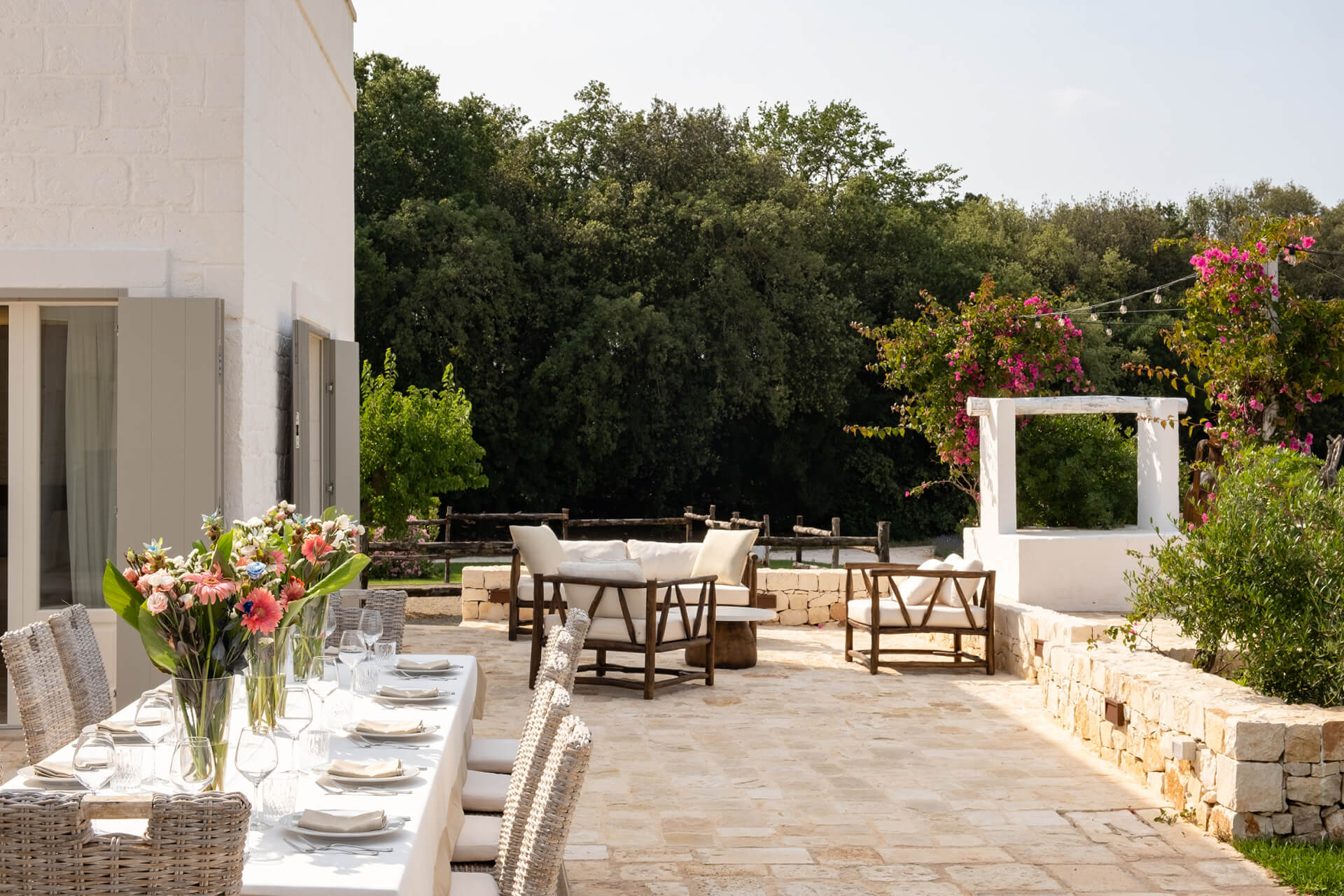
La Rona
Cisternino, Puglia
10 Guests
5 Bedrooms
5 Bathrooms
- Enchanting botanical and citrus gardens
- Privacy and seclusion
- Refined, bright and lovingly refurbished interiors
- A crystal-clear, salt-water pool
- Sweeping views and vibrant sunsets
Day 4: The Adriatic Coast
Close out this enchanting trip on the coast, where two towns offer genuinely different evenings, so the choice is dependent on your mood. Savelletri, an idyllic little harbour, is the ideal stop for a lengthy seafood lunch or dinner. Osteria del Porto’s ricci di mare is plucked straight from the sea. The lovely owner, Maria, will look after you as if you were family and treat you to a complimentary glass or two of her home-made limoncello to finish off your meal.
Polignano a Mare, further north and considerably more dramatic in setting, has its old town hanging directly over the sea. Sunset here is best spent with a Spritz at Acquamarea, overlooking the water, or, for something more memorable still, aboard a boat charter dropping anchor just offshore to watch the sun go down with a glass of prosecco in tow.
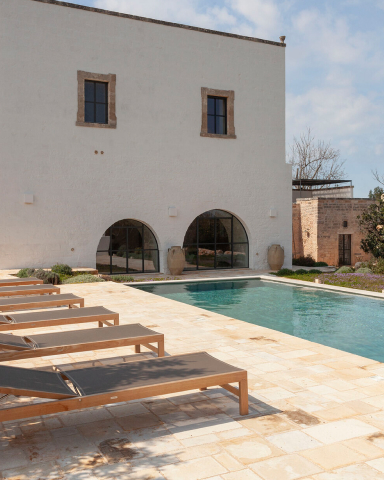
Masseria Ciasca
Polignano a Mare, Puglia
12 Guests
6 Bedrooms
6 Bathrooms
- Authentic masseria restoration
- Charm-filled interiors
- 15m-long heatable pool
- Two hot tubs
- Extensive grounds
- Panoramic roof-top terrace
Plan Your Valle d'Itria Itinerary
Four days is enough to take in the Valle d'Itria's trulli towns, its wine road and its stretch of the Adriatic coast without the trip feeling rushed. A Villa Specialist can adjust the order, the pace or the focus to suit how you'd rather spend the week.
Get in touch with a Villa Specialist to begin shaping your own version of this trip.


We're Villa Matchmakers
Because our local experts have personally visited each of our destinations, we know exactly what makes them special. Tell us what your ultimate villa holiday looks like, and allow us take care of the rest.